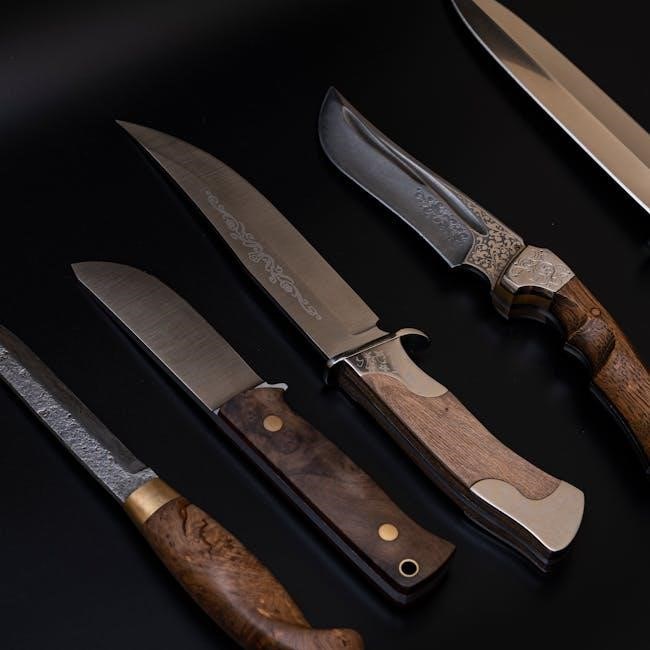
Welcome to a comprehensive guide dedicated to unraveling the fascinating world of Imperial knives! This resource will aid in identifying, dating, and understanding these historically significant tools.
Imperial Knives represent a significant chapter in American cutlery history, renowned for their durability and diverse range of patterns. Established in Providence, Rhode Island, the Imperial Knife Company catered to a broad spectrum of users, from everyday working individuals to military personnel. Identifying these knives requires understanding their unique characteristics, particularly the tang stamps and handle materials employed throughout their production run.
Imperial’s legacy is intertwined with Schrade, leading to collaborative markings and shared manufacturing practices. The company’s evolution saw shifts in production, including overseas manufacturing post-2007, impacting collectibility. This guide aims to provide enthusiasts and collectors with the knowledge to navigate the nuances of Imperial knife identification, covering early models, common patterns like the Bullet Ended Jack and Stockman knives, and the distinctive Frontier Series. Resources like online forums and specialized books will be highlighted to further assist in your exploration.
Historical Overview of Imperial Knife Company
Founded in 1916, the Imperial Knife Company quickly established itself as a prominent American cutlery manufacturer based in Providence, Rhode Island. Initially, Imperial focused on producing knives for the burgeoning industrial workforce, offering robust and affordable tools. Over time, the company expanded its product line to include a wide array of pocket knives, sporting knives, and specialized tool kits, mirroring the needs of a changing nation.
A pivotal moment in Imperial’s history was its collaboration with Schrade Cutlery Company. This partnership, formalized over decades, resulted in shared manufacturing processes and often, combined markings on the knives themselves. The company navigated periods of growth, wartime production demands, and eventual shifts in manufacturing strategies, including a move to overseas production in 2007. Understanding this historical context is crucial for accurately identifying and appreciating the legacy of Imperial knives, and their place within American manufacturing history.
Early Imperial Knives (Pre-1946)
Prior to 1946, Imperial knives generally lack the distinct tang stamps that became prevalent in later years, making identification more challenging. These early models often relied on blade shapes, handle materials (like bone, horn, or early plastics), and overall construction details for differentiation. Production focused on practical, working knives – simple stockmen, pen knives, and jack knives – catering to everyday needs.
Identifying features of this era include a focus on functional design over elaborate ornamentation. Handle scales were typically pinned or riveted, and blade steel was often carbon steel, requiring regular maintenance to prevent rust. Due to the absence of consistent markings, attributing specific patterns or dates to pre-1946 Imperial knives requires considerable expertise and comparison with known examples. Collectors often rely on subtle variations in blade grind, bolster shape, and handle carving to establish approximate production periods.
Tang Stamps: A Key Identification Feature
The tang stamp, a marking on the unexposed portion of the blade, is arguably the most crucial element in identifying Imperial knives, particularly those manufactured between 1946 and 1956. These stamps provide valuable clues about the knife’s origin, pattern, and sometimes, even the approximate year of production. Early tang stamps were often simple, featuring “Imperial” or “Providence, RI,” indicating the company’s location.
As production evolved, stamps became more complex, incorporating pattern numbers and quality designations. Variations in font style, stamp depth, and placement can also offer insights into the knife’s age. However, wear and polishing can obscure these markings, making accurate identification difficult. Collectors meticulously study tang stamp characteristics, comparing them to documented examples to determine authenticity and date. Understanding the nuances of Imperial tang stamps is essential for any serious collector or enthusiast.
Tang Stamp Dating: 1946-1956 Period
Dating Imperial knives based on tang stamps from 1946-1956 requires careful observation. While a precise year isn’t always discernible, the stamp’s style offers a timeframe. Early post-war stamps often simply read “Imperial” or “Imperial Providence.” Later, stamps incorporated pattern numbers, a significant development for identification. The presence of “Made in USA” also helps narrow the date range, appearing more consistently in later years of this period.
Variations in font size, stamp depth, and alignment can indicate subtle shifts in production. Collectors have documented these changes, creating reference guides. However, it’s crucial to remember that these are generalizations; inconsistencies exist. A well-preserved stamp is invaluable, but even a worn one can provide clues when combined with other features like handle material and blade shape. Online forums and specialized books are vital resources for deciphering these stamps.
Imperial Pocket Knives: Common Models
Imperial produced a diverse range of pocket knives, with several models becoming particularly recognizable. The “Bullet Ended Jack Knife” is a classic, characterized by its distinctive bolster shape. Stockman knives, often compared to Case patterns, were also popular, showcasing similar blade configurations and handle materials. Imperial’s versions frequently offer a more affordable alternative while maintaining quality.
Pen knives and similar patterns, featuring smaller blades ideal for everyday carry, represent another common category. These often came in various handle materials, from bone to celluloid. Tool kits, resembling early Swiss Army knives with interchangeable blades, demonstrate Imperial’s innovation. Identifying these requires examining blade shapes, handle construction, and, crucially, the tang stamp for pattern numbers. Recognizing these common models forms a foundation for broader Imperial knife identification.
Bullet Ended Jack Knives
Bullet ended Jack Knives are a signature Imperial design, easily identified by their unique bolster shape resembling a bullet casing. These knives typically feature two blades – a clip point and a spey blade – housed within a streamlined handle. Variations exist in handle materials, ranging from bone and horn to more modern synthetics like Delrin; The tang stamp is crucial for dating, with stamps from the 1946-1956 period being particularly significant.
These knives were popular for everyday carry due to their compact size and versatile blade configuration. Identifying specific variations involves noting the handle material, blade finish, and any unique features. Collectors often seek examples with original handles and well-maintained blades. The “bullet end” itself is a key distinguishing feature, setting them apart from standard Jack Knives produced by other manufacturers.
Stockman Knives & Case Comparisons
Imperial produced Stockman knives that closely resemble those made by Case, often leading to confusion among collectors. Key differences lie in the tang stamp and handle materials. Imperial Stockman knives frequently feature a shield or script logo, while Case is known for its distinct “Case XX” markings. Handle materials on Imperial models varied widely, including bone, horn, and celluloid, sometimes differing from Case’s offerings.
Blade shapes and sizes are generally similar between the two brands, but subtle variations can exist. Examining the bolster shape and the overall fit and finish can also aid in identification. Imperial Stockman knives often represent a more affordable alternative to Case, making them popular among users. Careful comparison of tang stamps and handle details is essential for accurate attribution, especially with well-worn examples.
Pen Knives & Similar Patterns
Imperial manufactured a diverse range of pen knives and similar patterns, including traditional gentleman’s knives and smaller utility blades. These often featured single or multiple blades, with variations in blade shape – clip point, spear point, and pen blades being common. Identifying these models requires close attention to the tang stamp, handle materials, and overall construction.
Like their Stockman knives, Imperial’s pen knives often mirrored Case patterns, but with distinct branding and sometimes, material choices. Look for Imperial’s shield or script logo on the tang. Handle materials included bone, horn, celluloid, and various synthetic materials. Comparing blade profiles and bolster designs to known Case patterns can be helpful, but always prioritize the Imperial tang stamp for definitive identification. These knives were popular everyday carry items and remain collectible today.
Imperial Frontier Series
The Imperial Frontier Series represents a notable line of knives, often characterized by robust construction and designs geared towards outdoor use. These knives frequently featured larger blades, durable handle materials like Micarta or stacked leather, and a focus on functionality. The series encompassed a variety of patterns, including Bowie knives, hunting knives, and larger folding knives designed for demanding tasks.
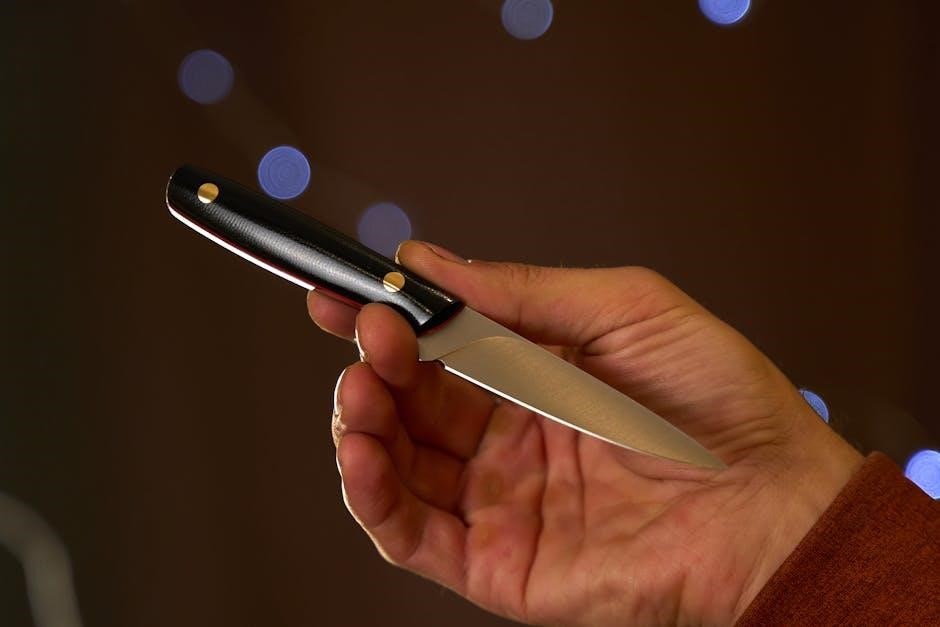
Identifying Frontier Series knives involves examining the tang stamp, which typically includes “Imperial” and “Frontier” markings. Catalog research is particularly useful for this series, as Imperial produced detailed catalogs showcasing the various models and specifications. These knives often command higher prices among collectors due to their quality and association with a specific era of American knife making. The Frontier series embodies Imperial’s commitment to producing reliable tools for the outdoorsman.
Blade Materials Used by Imperial
Imperial knives utilized a diverse range of blade materials throughout their production history, reflecting evolving technologies and market demands. Early Imperial knives commonly employed carbon steel, prized for its sharpness and ease of sharpening, though susceptible to rust. As time progressed, stainless steel became increasingly prevalent, offering improved corrosion resistance. Specific stainless steel alloys used included 440 stainless, known for its balance of hardness and stain resistance, and potentially others depending on the model and era.
Identifying the blade material can be challenging without specific markings, but examining the blade’s patina and resistance to corrosion can offer clues. Carbon steel blades typically develop a darker patina over time, while stainless steel retains a brighter appearance. The quality of the steel varied, impacting the knife’s performance and collectibility. Understanding these material choices is crucial for assessing an Imperial knife’s age and intended use.
Handle Materials and Construction
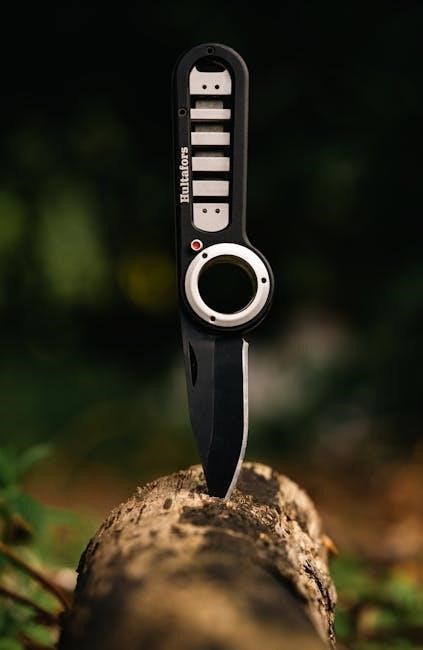
Imperial knives showcased a wide array of handle materials, contributing significantly to their aesthetic appeal and functionality. Common materials included bone, particularly stag, providing a classic and durable grip. Celluloid, an early plastic, was frequently used for its affordability and ability to be molded into various shapes and colors. Later, more modern plastics like Delrin and Zytel gained popularity, offering enhanced strength and resistance to environmental factors.
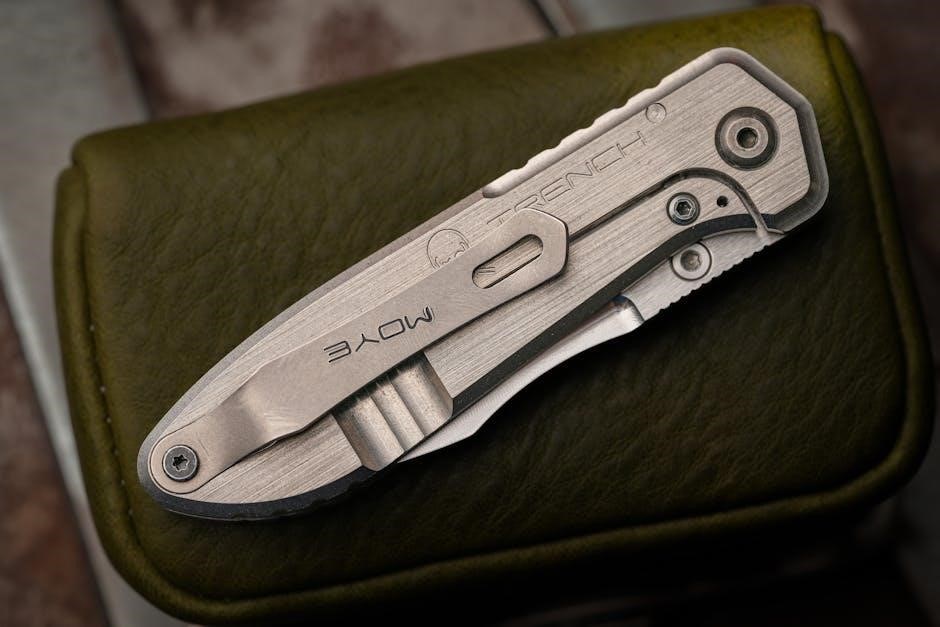
Handle construction methods also varied. Many Imperial knives featured pinned handles, where the scales (handle sides) were attached to the tang using metal pins. Others employed rivets or even full tang construction for increased robustness. The handle shape and contour often corresponded to the knife’s intended purpose, with ergonomic designs for comfortable use. Examining the handle material, construction method, and overall condition provides valuable insights into a knife’s age and quality.
Identifying Imperial Tool Kits & Multi-Tools
Imperial produced a range of tool kits and multi-tools, often resembling early Swiss Army knives, particularly during the 1946-1956 tang stamp period. These compact sets typically included a variety of interchangeable blades and tools housed within a pocket-sized frame. Identifying these kits involves looking for specific characteristics, such as the presence of multiple blade slots and tool attachments.
Often, these kits featured a “rip pocket” design, allowing for easy access to the tools. The tang stamps on the blades within these kits are crucial for dating and authentication. Pay attention to the overall construction quality and the types of tools included, as these can indicate the kit’s intended use. Online auction sites, like eBay, frequently showcase examples, providing valuable reference material for comparison and identification. These kits represent a unique facet of Imperial’s production.
The Role of Pattern Numbers
Imperial knives frequently utilized pattern numbers, stamped onto the blade tang, serving as a critical identification key. These numbers correspond to specific knife models and configurations within Imperial’s extensive catalog. Locating and deciphering these numbers is paramount for accurate identification and dating. However, wear and corrosion can sometimes obscure these markings, presenting a challenge for collectors.
Resources like online forums and specialized knife identification websites often contain databases cross-referencing pattern numbers with corresponding knife models. Understanding these numbers unlocks a wealth of information regarding the knife’s original design, materials, and production period. While not all Imperial knives bear visible pattern numbers, their presence significantly aids in establishing authenticity and historical context. Careful examination under magnification can sometimes reveal faint or worn markings, crucial for proper identification.
Imperial Schrade Collaboration & Markings
The relationship between Imperial Knife Company and Schrade Cutlery is a complex one, marked by collaboration and eventual consolidation. Schrade, a well-respected knife manufacturer, played a significant role in Imperial’s production, particularly after Imperial faced financial difficulties. Identifying knives resulting from this partnership requires careful attention to markings.
Knives produced during the collaborative period often bear markings indicating both “Imperial” and “Schrade,” sometimes alongside “Providence, RI” denoting the original Imperial location. Variations in these markings exist, reflecting different phases of the partnership. Post-consolidation, knives may simply be marked “Schrade Imperial.” Understanding these nuances is vital for collectors. The presence of both names generally indicates a period of shared manufacturing, while later markings signify Schrade’s full control. Careful examination of the tang stamp is crucial for determining the knife’s origin and production timeline.
Post-2007 Imperial Knives (Overseas Production)
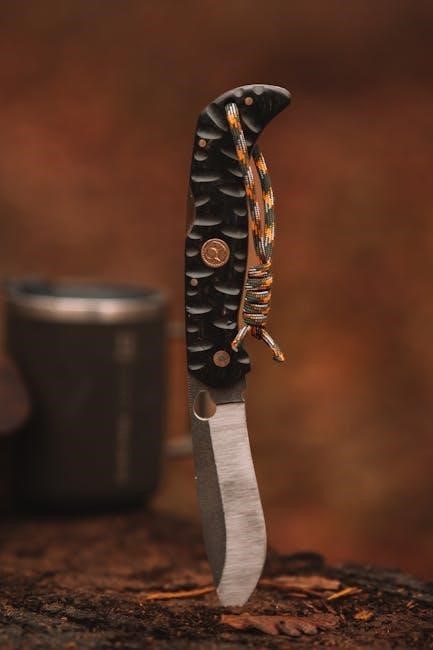
In 2007, Imperial Knife Company shifted its manufacturing operations overseas, primarily to China. This transition marked a significant change in the quality and characteristics of Imperial knives. While the brand name persisted, the knives produced after this date differ substantially from those made in Providence, Rhode Island.
Post-2007 Imperial knives generally exhibit lower build quality and utilize different materials compared to their predecessors. Tang stamps from this era often lack the crispness and detail found on older models. Identifying these knives requires recognizing these changes in manufacturing standards. Collectors often view pre-2007 Imperial knives as more desirable due to their American-made heritage and superior craftsmanship. Examining the tang stamp, blade steel, and overall fit and finish can help distinguish between the older, domestically produced knives and the newer, overseas-manufactured versions.
Resources for Imperial Knife Identification
Successfully identifying Imperial knives often requires consulting a variety of resources. All About Pocket Knives (allaboutpocketknives.com) provides dedicated research sections on Imperial, including catalogs of the Frontier series and general knife listings. Wikipedia (en.wikipedia.org/wiki/Imperial_Schrade) offers a historical overview of the company and its evolution.
Furthermore, dedicated online forums and communities are invaluable for connecting with experienced collectors. These platforms allow for sharing photos, asking questions, and benefiting from collective knowledge. Specialized books on knife identification, while potentially harder to find, often contain detailed information on Imperial’s patterns and markings. Remember that examining eBay completed listings (like the example provided: https://www.ebay.com/itm/235810029540) can offer real-world price comparisons and identification clues. Combining these resources will significantly enhance your ability to accurately identify and date Imperial knives.
Online Forums and Communities
Engaging with online forums and communities is crucial for Imperial knife enthusiasts. These platforms serve as dynamic hubs for sharing knowledge, seeking assistance with identification, and connecting with fellow collectors. Experienced members often possess extensive expertise regarding Imperial’s various patterns, tang stamps, and historical periods.
Posting clear photographs of your knife, particularly close-ups of the tang, is essential when requesting identification help. Be prepared to provide any visible markings, even if partially worn. Many forums have dedicated sections for specific knife brands, making it easier to find relevant expertise. Remember to be respectful and contribute to the community by sharing your own findings and insights. These collaborative environments are often the quickest and most effective way to unravel the mysteries surrounding your Imperial knife, supplementing information found in books and online databases.
Specialized Books on Knife Identification
While online resources are plentiful, specialized books remain invaluable for in-depth Imperial knife identification. These publications often feature detailed catalogs of patterns, comprehensive discussions of tang stamp variations, and historical context regarding the company’s evolution. Look for books specifically focusing on pocket knives or American knife manufacturers, as Imperial is frequently covered within these broader scopes.
Consider titles that dedicate sections to identifying knives by their tang stamps, as this is a key characteristic of Imperial products. Books often provide magnified images of stamps, aiding in accurate comparison. Furthermore, they may offer insights into blade materials, handle construction, and the nuances of different production eras. Supplementing online research with the detailed information found in reputable books will significantly enhance your ability to confidently identify and appreciate Imperial knives, building a strong foundation of knowledge.
Determining Value and Collectibility
Assessing the value of an Imperial knife requires considering several factors beyond simple identification. Condition is paramount; knives in excellent, original condition command higher prices. Rarity plays a significant role, with limited-edition models or those featuring unusual handle materials being particularly sought after. Tang stamps, especially those from specific periods (like 1946-1956), can influence value.
Recent eBay sales (like the $40 toolkit example) provide a benchmark, but remember prices fluctuate. Online forums and appraisal services can offer expert opinions. The desirability of a particular pattern – such as Bullet Ended Jack Knives or those resembling Case knives – also impacts collectibility. Research completed sales of comparable knives to establish a realistic market value. Ultimately, value is determined by what a collector is willing to pay, influenced by condition, rarity, and historical significance.
Restoration and Preservation of Imperial Knives
Preserving the integrity of an Imperial knife often outweighs the benefits of extensive restoration. While cleaning is advisable, avoid harsh abrasives that can remove original markings or patina. Gentle polishing with appropriate metal polish can enhance blade appearance, but proceed cautiously. Handle materials require specific care; wood may benefit from oiling, while bone or horn should be treated with specialized conditioners.
Significant damage, like broken blades or severely cracked handles, presents a dilemma. Professional restoration can be costly and may diminish collectibility if not done correctly. For valuable or historically significant knives, consider professional assessment before attempting repairs. Simple sharpening can improve usability, but avoid altering the blade’s profile; Proper storage in a dry environment, protected from corrosion, is crucial for long-term preservation. Remember, originality often adds value.