
The Apex Rapid entered the mobility market two years ago, with prices varying significantly – up to £3,000. This manual guides users through safe and effective operation.
What is the Apex Rapid?
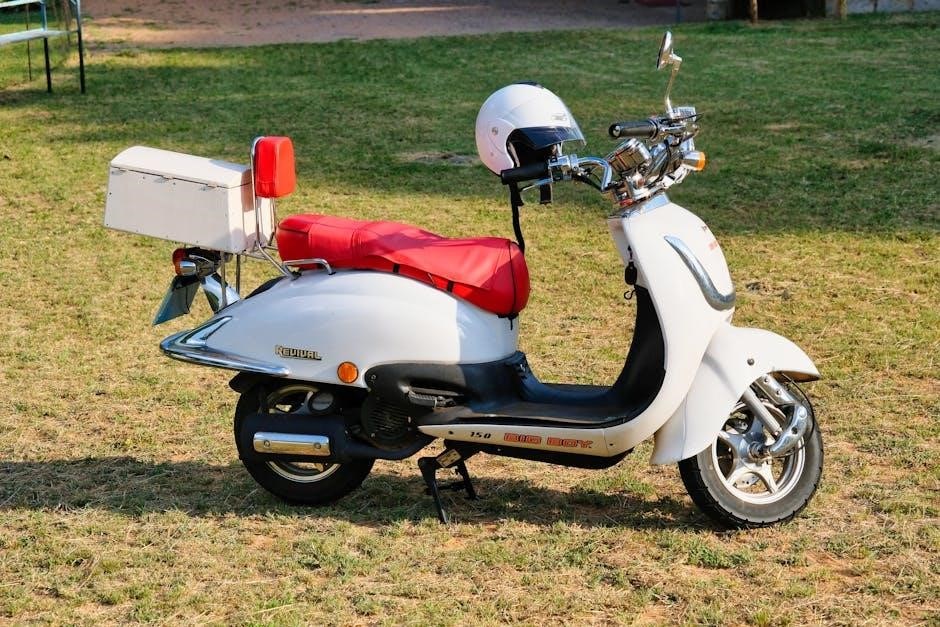
The Apex Rapid is a modern mobility scooter designed to enhance independence for individuals with limited mobility. Introduced to the market approximately two years ago, it quickly gained attention for its blend of features and potential cost variations, ranging up to £3,000 depending on configuration and retailer.
This scooter isn’t just about getting from point A to point B; it’s about reclaiming freedom and enjoying life to the fullest. Understanding its capabilities, as detailed in this user manual, is crucial for safe and enjoyable operation. From navigating indoor spaces to outdoor adventures, the Apex Rapid aims to provide a reliable and comfortable experience. Its design prioritizes both functionality and user-friendliness, making it accessible to a wide range of users.
Key Features and Benefits
The Apex Rapid boasts several key features contributing to its appeal. While specific details require consulting the full user manual, its core benefits center around enhanced mobility and independence. The scooter’s design aims for user-friendliness, making operation straightforward for individuals with varying levels of experience.
Potential buyers should be aware of price fluctuations, as the market shows variations up to £3,000. Beyond cost, the Rapid offers a comfortable ride and maneuverability. Its features are designed to address everyday challenges faced by those with limited mobility, promoting an active lifestyle. Proper understanding of these features, through this manual, ensures optimal performance and safety.
Understanding the Scooter Components
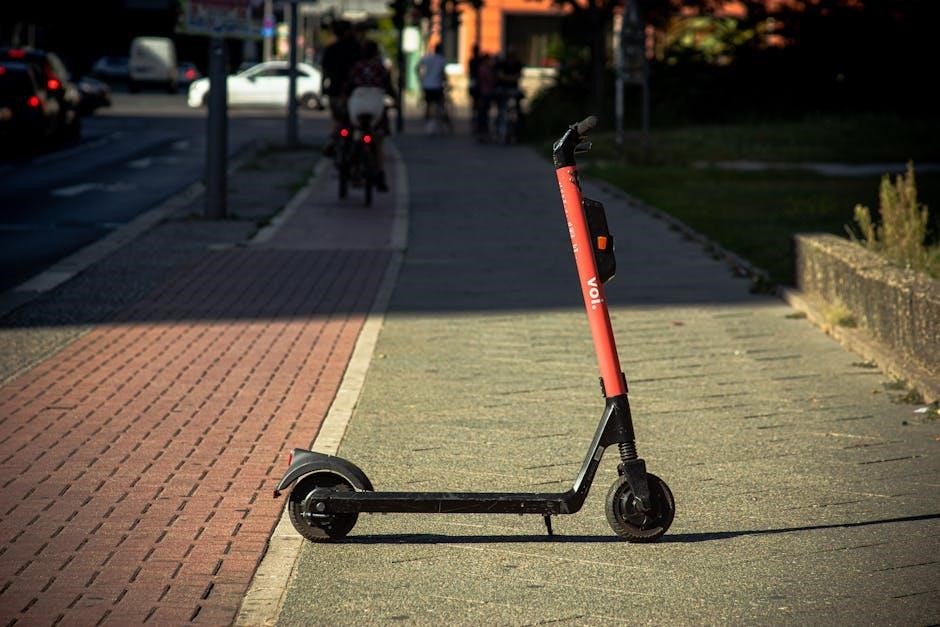
This section details the Apex Rapid’s parts – frame, seat, control panel, wheels, battery – crucial for operation and maintenance, as outlined in the user manual.
The Frame and Chassis
The Apex Rapid’s frame and chassis are engineered for durability and stability, forming the scooter’s foundational structure. Constructed from high-strength materials, it’s designed to withstand regular use and varying terrains. Regular inspection of the frame is vital; check for any signs of bending, cracking, or corrosion, particularly at weld points.
Ensure all bolts and fasteners are securely tightened, as loose components can compromise stability and safety. The chassis supports the weight of the user and all other components, so maintaining its integrity is paramount. Refer to the provided diagrams in this manual for specific frame component locations and recommended tightening torques; Proper care extends the scooter’s lifespan and ensures a smooth, secure ride.
The Seat and Adjustments
The Apex Rapid features a comfortably padded seat designed for extended use. Adjustability is key to a personalized fit; the seat height and angle can be modified to suit individual preferences and physical needs. Locate the adjustment levers – typically positioned beneath or on the sides of the seat – to alter these settings.
Ensure the seat is securely locked into position after each adjustment. The seat also often rotates, allowing for easier transfers. Regularly check the seat’s locking mechanisms to confirm they are functioning correctly. Proper seat adjustment promotes good posture and reduces strain during operation, contributing to a more enjoyable and comfortable experience.
Control Panel Overview
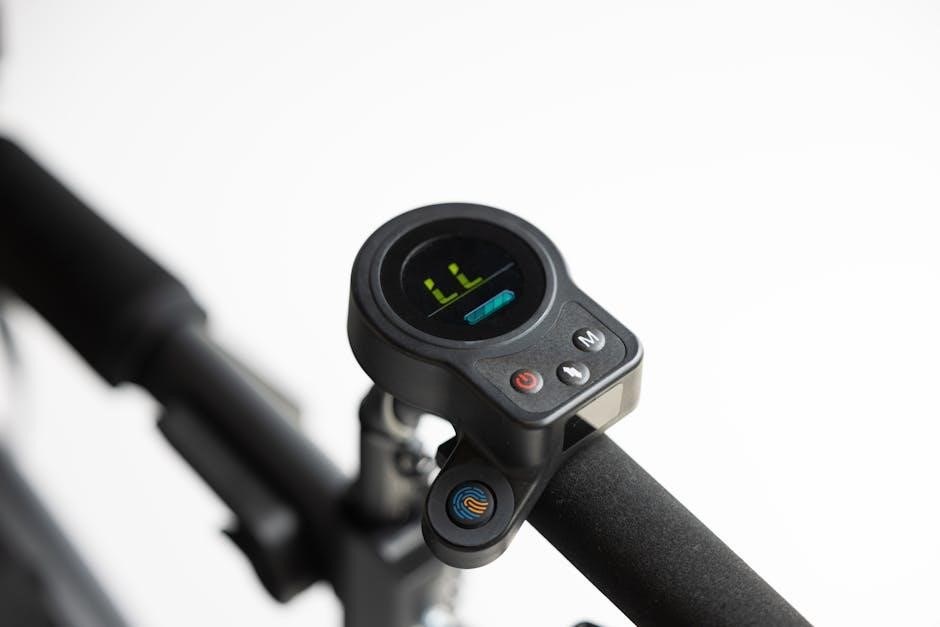
The Apex Rapid’s control panel is intuitively designed for ease of use. The primary components include the power switch, speed control dial or buttons, horn button, and indicator lights. The power switch initiates and terminates scooter operation. The speed control regulates the scooter’s velocity, offering variable settings for different environments.

Indicator lights display battery level and operational status. Familiarize yourself with the function of each control before operating the scooter. A battery gauge provides a visual representation of remaining power. The horn button is for signaling and safety. Regularly inspect the control panel for any damage or malfunction, ensuring all functions operate smoothly.
Wheels and Tires
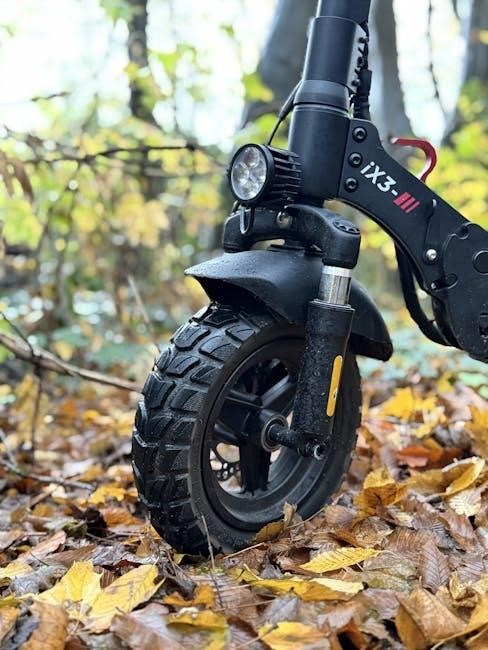
The Apex Rapid features durable wheels and tires designed for stability and comfort. Tire condition is crucial for safe operation; regularly inspect for wear, damage, and proper inflation. Maintaining correct tire pressure optimizes performance and extends tire lifespan. Under-inflated tires reduce range and increase effort for the motor.
The scooter utilizes solid or pneumatic tires, depending on the model. Solid tires require no inflation but offer a firmer ride. Pneumatic tires provide better shock absorption but necessitate periodic inflation checks. Avoid overloading the scooter, as this stresses the tires and compromises safety. Inspect wheels for any signs of cracks or damage during routine maintenance.
Battery and Charging System
The Apex Rapid utilizes a high-performance battery pack to deliver extended range and reliable operation. Proper battery maintenance is essential for maximizing lifespan and performance. Always use the charger specifically designed for the Apex Rapid’s battery. Avoid using third-party chargers, as they may damage the battery or create a safety hazard.
Charge the battery fully before the first use. Subsequent charging should occur after each use, or at least once a month if the scooter is stored. Avoid completely discharging the battery, as this can shorten its lifespan. Store the scooter in a cool, dry place, away from extreme temperatures. Refer to the technical specifications for detailed battery information.
Operating the Apex Rapid
Before operation, ensure the battery is fully charged and all components are correctly assembled. Familiarize yourself with the control panel and safety features.
Turning the Scooter On and Off
To power on the Apex Rapid, first ensure the key is inserted into the ignition. Turn the key clockwise to the ‘ON’ position. The control panel will illuminate, indicating the scooter is ready for operation. A pre-operation self-check may occur, briefly displaying system status.
To initiate movement, gently press down on the throttle lever located on the right handlebar. The scooter will begin to accelerate smoothly. To stop, release the throttle lever; the scooter will gradually decelerate. For emergency stopping, firmly press the brake levers.
To turn the scooter off, turn the key counter-clockwise to the ‘OFF’ position and remove it. This completely disconnects the power supply. Always turn off the scooter when unattended or not in use to conserve battery life and prevent accidental operation.
Steering and Maneuvering
The Apex Rapid utilizes a tiller for intuitive steering. Gently rotate the tiller left or right to direct the scooter. Avoid sudden or jerky movements, especially at higher speeds, to maintain stability and control. Practice in a spacious, open area to become familiar with the steering response.
When navigating corners, reduce speed before initiating the turn; Lean slightly into the turn for added stability, but avoid excessive leaning. Be mindful of the scooter’s turning radius, ensuring sufficient space to complete the maneuver safely.
Always be aware of your surroundings and potential obstacles. Use slow, deliberate movements when maneuvering in tight spaces or crowded areas. Prioritize safety and maintain a comfortable speed for optimal control.
Speed Control
The Apex Rapid’s speed is controlled via a variable speed dial located on the control panel. Rotating the dial clockwise increases speed, while rotating it counter-clockwise decreases speed. Begin with the lowest speed setting and gradually increase it as you become comfortable.
Be mindful of your surroundings and adjust your speed accordingly. Reduce speed when navigating uneven terrain, turning corners, or approaching obstacles. Always prioritize safety and maintain a speed that allows for complete control of the scooter.
Sudden acceleration or deceleration can compromise stability. Apply speed changes gradually for a smoother and safer ride. Regularly check the battery level, as reduced battery power may affect maximum speed.
Using the Horn and Lights
The Apex Rapid is equipped with a horn and front lights for enhanced safety and visibility. The horn button is conveniently located on the control panel – a quick press alerts pedestrians and other vehicles to your presence. Use it judiciously to avoid startling others.
The front lights are activated via a separate switch, also on the control panel. Utilize the lights during low-light conditions, such as dusk, dawn, or nighttime, to ensure you are clearly seen. Regularly check the functionality of both the horn and lights before each use.
Proper use of these features significantly contributes to a safer riding experience, promoting awareness and preventing potential accidents. Remember, visibility is key!

Maintenance and Care
Regular upkeep ensures optimal performance and longevity of your Apex Rapid. Prioritize battery maintenance, tire checks, cleaning, and consistent inspections for safety.
Battery Maintenance
Proper battery care is crucial for maximizing the range and lifespan of your Apex Rapid’s power source. Always use the charger specifically designed for your scooter’s battery. Avoid overcharging – disconnect the charger once the battery is fully charged, typically indicated by a color change on the charger itself.
Store the scooter in a cool, dry place, avoiding extreme temperatures. If storing for extended periods, charge the battery every few months to prevent it from completely discharging, which can damage the battery cells. Regularly inspect the battery terminals for corrosion and clean them with a baking soda and water solution if necessary. Never attempt to open or repair the battery pack yourself; contact a qualified technician for any battery-related issues.
Tire Inflation and Condition
Maintaining correct tire pressure significantly impacts the Apex Rapid’s performance, range, and stability. Check tire pressure regularly – at least monthly – using a reliable tire gauge. Refer to the technical specifications section of this manual for the recommended PSI (pounds per square inch). Under-inflated tires reduce range and can cause handling difficulties, while over-inflated tires result in a harsh ride.
Inspect tires for wear and tear, including cuts, bulges, or uneven tread wear. Replace tires when the tread is worn down or if any damage is detected. Ensure tires are free from debris like glass or stones. Proper tire condition enhances safety and extends the scooter’s lifespan.
Cleaning the Scooter
Regular cleaning preserves the Apex Rapid’s appearance and prevents damage. Disconnect the battery before cleaning. Use a damp cloth with mild soap and water to wipe down the frame, seat, and control panel. Avoid abrasive cleaners or solvents, as they can harm the finish.
For stubborn dirt, a soft brush can be used. Ensure all cleaning solutions are thoroughly rinsed off and the scooter is completely dry before use. Do not submerge any part of the scooter in water. Pay attention to areas prone to dirt accumulation, like the wheels and undercarriage. Consistent cleaning contributes to longevity and a pleasant user experience.
Regular Inspections
Consistent inspections are crucial for maintaining the Apex Rapid’s safety and performance. Before each use, check tire pressure and condition, ensuring proper inflation for optimal handling; Inspect the brakes for responsiveness and wear, and verify the steering mechanism operates smoothly.

Examine the battery connections for corrosion and secureness. Look for any loose screws, bolts, or damaged wiring. Regularly check the seat adjustments and ensure they lock firmly in place. Address any issues promptly to prevent escalation. A proactive approach to inspections guarantees a reliable and safe mobility experience.

Safety Guidelines
Prioritize safety by respecting weight limits and operating in suitable environments. Avoid obstacles and familiarize yourself with emergency procedures for secure operation.
Weight Capacity and Limitations
Understanding the Apex Rapid’s weight capacity is crucial for safe operation and preventing damage to the scooter. Exceeding the specified limit compromises stability and performance, potentially leading to accidents or mechanical failures. The maximum weight capacity for the Apex Rapid is [Insert Specific Weight Here – e.g., 250 lbs / 113 kg].
This limit encompasses the user’s body weight plus any carried items, such as bags, groceries, or other personal belongings. Regularly verify that the combined weight remains within the acceptable range. Operating the scooter with excessive weight can void the warranty and significantly reduce its lifespan. Furthermore, consider the terrain; uneven surfaces or inclines demand a lower weight load for optimal control and stability. Always prioritize safety and adhere to the stated weight restrictions.
Safe Operating Environment
To ensure a secure and enjoyable experience with your Apex Rapid, selecting a suitable operating environment is paramount. Prioritize smooth, level surfaces free from significant obstacles like potholes, gravel, or steep inclines. Avoid areas with heavy traffic, such as busy roadways or crowded sidewalks, whenever possible.
Be mindful of weather conditions; wet or icy surfaces drastically reduce traction and increase the risk of skidding. Indoor use is generally safer, but ensure sufficient space for maneuvering. Always check for potential hazards like loose rugs or thresholds. Remember, bridges and complex structures, like those described as “complex and beautiful,” require extra caution. Prioritize well-lit areas for enhanced visibility.
Avoiding Obstacles
Navigating safely requires constant awareness of your surroundings. The Apex Rapid, while maneuverable, has limitations. Scan ahead for potential obstacles – pedestrians, parked cars, uneven pavement, and low-hanging branches. Reduce speed when approaching any uncertainty.
Exercise caution around structures; remember descriptions of “complex and beautiful” bridges demand heightened attention. Avoid sharp turns at high speeds, as this can lead to instability. Be particularly careful with smaller objects like curbs or thresholds, which can cause jolts. Utilize your horn to alert others of your presence. Remember, proactive obstacle avoidance is key to a safe and comfortable ride, preventing potential incidents and ensuring smooth travel.
Emergency Procedures
In case of an emergency, remain calm and assess the situation. If the scooter malfunctions, immediately turn it off using the power switch. If you experience a loss of control, gently apply the brakes and steer towards a safe, open area.
Be aware of your surroundings, similar to the careful construction needed for “complex and beautiful” bridges – reliability is paramount. If assistance is needed, use the horn to attract attention. If you are unable to self-recover, contact emergency services. Familiarize yourself with the scooter’s controls and practice emergency stops in a controlled environment. Prioritize your safety and the safety of those around you at all times.
Troubleshooting Common Issues
Addressing typical problems like scooters failing to power on, or batteries not charging, is crucial for continued use and enjoyment of your Apex Rapid.
Scooter Won’t Turn On
If your Apex Rapid fails to power on, begin with the simplest checks. Ensure the key is fully inserted and turned to the ‘on’ position. Verify the battery is adequately charged; a low battery is a frequent cause. Connect the charger and allow it to charge for a sufficient period – consult the battery section for recommended times.
Next, inspect the circuit breaker, typically located near the battery compartment. If tripped, reset it. Examine all cable connections for looseness or damage, particularly those connecting the battery to the control panel. A disconnected or faulty cable can prevent power-up. If these steps don’t resolve the issue, consult a qualified technician for further diagnosis, as it could indicate a more complex electrical problem.
Battery Not Charging
If the Apex Rapid battery isn’t charging, first confirm the charger is securely plugged into both the scooter and a functioning wall outlet. Check the charger’s indicator light; it should illuminate, signifying power flow. Inspect the charging port on the scooter for any debris or damage that might impede connection.
A faulty charger is a common culprit; try a different compatible charger if available. Ensure the battery itself isn’t the issue – batteries degrade over time. If the charger seems functional but the battery still won’t charge, it may require replacement. Consult the battery maintenance section for proper care and lifespan considerations. For persistent issues, seek professional assistance.
Unusual Noises
Hearing unusual noises during operation of your Apex Rapid scooter warrants immediate attention. Clicking sounds might indicate loose components, while grinding noises could signal wheel or motor issues. Squealing often points to worn bearings needing lubrication or replacement. Regularly inspect wheels for obstructions like small stones or debris, as these can create rattling sounds.
If a noise persists or intensifies, discontinue use and perform a thorough inspection. Check all connections and tighten any loose bolts. Refer to the maintenance section for guidance on lubrication. Ignoring unusual sounds can lead to more significant and costly repairs. If you’re unable to identify the source, consult a qualified technician.

Technical Specifications
Detailed specifications include dimensions, weight, maximum speed, and range. Bolt specifications (like UBZ 8 M16) and hose clamp details (NORMA 50-70/9 s) are noted.
Dimensions and Weight
Understanding the physical characteristics of the Apex Rapid is crucial for maneuverability and storage. While specific dimensions aren’t detailed in the provided text, knowing these measurements aids in navigating tight spaces and transporting the scooter. Consider the overall length, width, and height when planning routes or storing the device.
The weight of the scooter, including the battery, impacts portability. A lighter scooter is easier to disassemble and lift for transport, while a heavier model offers increased stability. Related items like bolts (UBZ 8 M16) and hose clamps (NORMA 50-70/9 s) demonstrate attention to component detail, though they don’t directly relate to the scooter’s core dimensions. Precise weight and dimension figures are vital for users and should be referenced in the full user manual.
Maximum Speed and Range
Determining the Apex Rapid’s performance capabilities – its maximum speed and achievable range – is essential for trip planning and safe operation. The provided text doesn’t specify these figures, highlighting the need for a comprehensive user manual. Understanding the scooter’s speed limitations ensures adherence to local regulations and prevents accidents.
Range, influenced by factors like terrain, rider weight, and battery condition, dictates how far the scooter can travel on a single charge. Items like self-tapping screws (4,2×50) and U-bolts (M16) relate to construction, not performance. A detailed manual will outline expected range under various conditions, allowing users to confidently embark on journeys. Knowing these parameters maximizes the scooter’s utility and user satisfaction.
Battery Specifications
A thorough understanding of the Apex Rapid’s battery is crucial for optimal performance and longevity. While the provided text references various hardware components – bolts, screws, and hose clamps – it lacks specific battery details. A comprehensive user manual must include voltage, amperage-hour (Ah) rating, and battery type (e.g., lithium-ion, sealed lead-acid).
This information is vital for proper charging procedures and replacement considerations. Knowing the battery’s capacity allows users to accurately estimate range. Details regarding charging time, recommended charging cycles, and safe disposal practices are also essential. Ignoring these specifications can lead to reduced battery life, performance issues, or even safety hazards. Proper battery care ensures reliable operation of the scooter.
Warranty Information
The Apex Rapid scooter’s warranty covers defects, but details are absent in the provided text. A complete manual outlines coverage, claim processes, and limitations.
Coverage Details
The Apex Rapid mobility scooter warranty provides coverage for manufacturing defects in materials and workmanship, beginning from the original date of purchase. This warranty extends to the scooter’s frame, electronic components – including the control panel and motor – and essential operational systems. However, the warranty explicitly excludes items subject to normal wear and tear, such as tires, brake pads, and seat upholstery.
Damage resulting from misuse, accidents, improper maintenance, or unauthorized modifications voids the warranty. Furthermore, commercial use of the scooter may invalidate the warranty terms. Detailed documentation, including proof of purchase, is required for all warranty claims. The warranty period varies depending on the component, with the frame typically covered for a longer duration than individual parts. Refer to the full user manual for specific timeframes and claim procedures.
Claim Process
To initiate a warranty claim for your Apex Rapid mobility scooter, first contact our dedicated customer support team. You will need to provide your original proof of purchase, a detailed description of the issue, and, if possible, photographic or video evidence demonstrating the defect. A claim form will be issued for completion, requiring information about the scooter’s model, serial number, and purchase date.
Once the claim form is received and reviewed, we may request a local authorized service technician to inspect the scooter. All shipping costs associated with returning the scooter or components for repair or replacement are the responsibility of the customer, unless explicitly authorized by us. Approved claims will result in either repair, replacement of the defective part, or, in rare cases, a full scooter replacement, at our discretion.