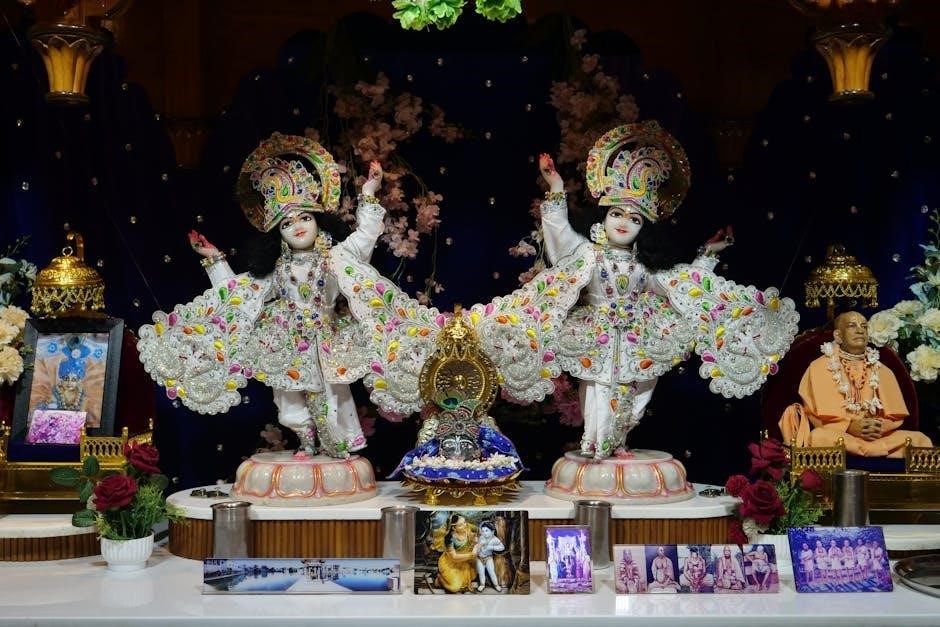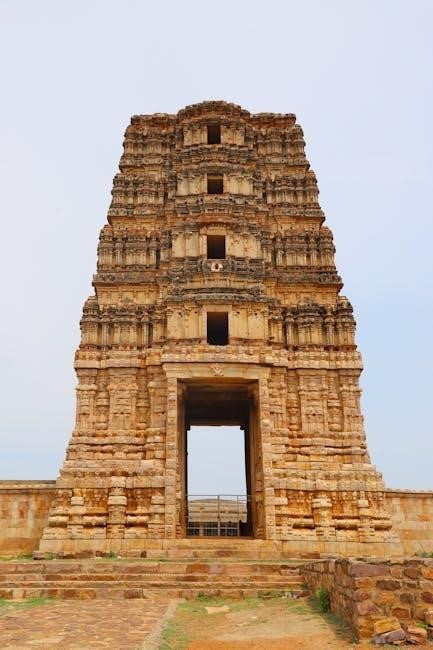
Vishnu Sahasranamam, a sacred hymn, finds availability in Kannada PDF versions, notably the 1985 Mysore edition․ These digitized texts, alongside resources like
Tattva-Heritage-Foundation-Kolkata, facilitate access to this revered stotra for devotees․
The Sri Vishu Sahasranama Parayan Mandali also contributes to its dissemination․ These resources offer a pathway to explore the divine names of Lord Vishnu in the Kannada language․
What is Vishnu Sahasranamam?
Vishnu Sahasranamam, meaning “the thousand names of Vishnu,” is a highly revered stotra (hymn) found within the Vishnu Purana․ It’s a comprehensive list of Lord Vishnu’s names, each embodying a specific aspect of the divine․ These names aren’t merely labels; they represent qualities, powers, and glories of the Supreme Being․
The hymn is presented as a dialogue between Yudhishthira and Bhishma in the Mahabharata, offering profound spiritual insight․ Access to this sacred text is increasingly facilitated through Kannada PDF versions, making it accessible to a wider audience․ The Sri Vishnu Sahasranama Stotra (Sanskrit Text-Kannada Script) from Mysore, 1985, is a prime example of this accessibility․
These Kannada translations allow devotees who may not be fluent in Sanskrit to connect with the hymn’s essence․ Digitization efforts, such as those by the Tattva-Heritage-Foundation-Kolkata, further enhance availability․ The Sri Vishu Sahasranama Parayan Mandali also plays a role in preserving and sharing this important scripture․ The hymn’s structure and the meanings embedded within each name offer a pathway to deeper understanding of Vishnu’s multifaceted nature․
Significance in Hinduism
Within Hinduism, the Vishnu Sahasranamam holds immense significance, particularly for Vaishnavas, devotees of Lord Vishnu․ It’s considered a powerful tool for spiritual growth, offering a pathway to liberation (moksha) through devotion and understanding of the divine attributes․ The hymn encapsulates the vastness and complexity of Vishnu’s cosmic role as the preserver and maintainer of dharma․
The availability of Kannada PDF versions expands access to this sacred text for Kannada-speaking communities, fostering deeper engagement with their faith․ Resources like the Sri Vishnu Sahasranama Stotra (Sanskrit Text-Kannada Script) – Mysore 1985 – are invaluable․
The hymn’s recitation, or parayan, is believed to purify the mind, remove obstacles, and bestow blessings․ Organizations like the Sri Vishu Sahasranama Parayan Mandali actively promote this practice․ Digitization initiatives by the Tattva-Heritage-Foundation-Kolkata ensure the preservation and wider dissemination of these texts․ The reverence for Vishnu, expressed through these thousand names, underscores his central position within the Hindu pantheon and the importance of maintaining cosmic harmony․
The Vishnu Purana and its Relevance
The Vishnu Purana serves as a foundational text for understanding the Vishnu Sahasranamam, detailing Vishnu’s role as the preserver of the universe and the sustainer of cosmic order (dharma)․ The Purana elaborates on Vishnu’s incarnations (avatars) and his eternal nature, providing context for the thousand names celebrated in the Sahasranamam․
The Purana predicts a future time of societal decline, yet affirms Vishnu’s eventual return to restore righteousness․ This narrative reinforces the cyclical nature of time and Vishnu’s unwavering commitment to upholding dharma․ Access to the Vishnu Sahasranamam in Kannada PDF format, including digitized versions like the Mysore 1985 edition, allows a wider audience to connect with these teachings․
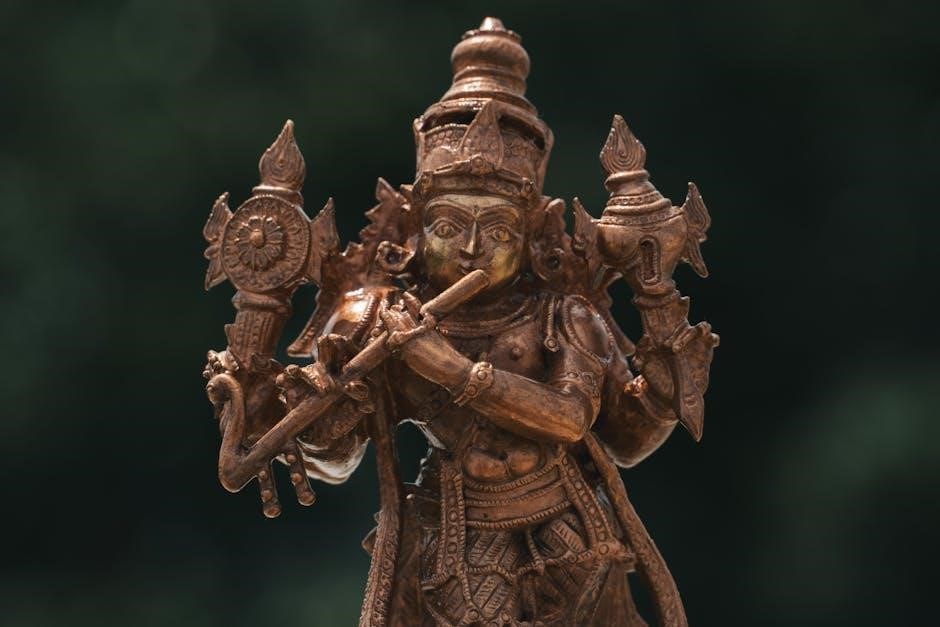
Resources such as those from the Tattva-Heritage-Foundation-Kolkata and the Sri Vishu Sahasranama Parayan Mandali facilitate this access․ The Purana’s descriptions of Vishnu – often depicted as blue-skinned, resting on Shesha – resonate with the imagery evoked by the Sahasranamam’s evocative names, deepening devotional understanding․
Understanding the Text
Kannada PDF versions of the Vishnu Sahasranamam, like the Mysore 1985 edition, offer access to the Sanskrit text transcribed in Kannada script․ Tattva-Heritage-Foundation-Kolkata digitizations aid study․
Origin and Scriptural Basis
The Vishnu Sahasranamam originates from the Vishnu Purana, specifically recited by Bhishma to Yudhishthira on the battlefield of Kurukshetra․ This profound hymn, detailing the 1000 names of Lord Vishnu, is deeply rooted in Vedic tradition and Vaishnava theology․ The availability of Kannada PDF versions, such as the digitized manuscripts from Tattva-Heritage-Foundation-Kolkata and the Mysore 1985 edition, allows wider access to this scriptural treasure․
These Kannada transcriptions are based on the original Sanskrit text, preserving the essence of the names and their associated attributes․ The Sri Vishu Sahasranama Parayan Mandali also plays a role in making these resources accessible․ The hymn’s scriptural basis lies in its comprehensive depiction of Vishnu’s divine qualities, encompassing his roles as the preserver, creator, and destroyer․ The PDF formats facilitate study and recitation, enabling devotees to connect with the profound spiritual significance embedded within each name․ The reverence for Vishnu, expressed through these names, is a central tenet of Vaishnavism, the largest Hindu sect․
Furthermore, rare books and manuscripts at the Bhagavad Ramanuja National Research Institute in Melukote contribute to the preservation and study of this sacred text, including its Kannada interpretations․
The 1000 Names of Vishnu
The Vishnu Sahasranamam comprises 1000 names, each representing a distinct aspect, quality, or manifestation of Lord Vishnu․ These names, available in Kannada PDF formats, are not merely labels but potent mantras embodying divine energy․ Digitized versions from sources like Tattva-Heritage-Foundation-Kolkata and the Mysore 1985 edition offer access to these sacred appellations․
The names encompass Vishnu’s roles as the preserver of the universe, the source of creation, and the ultimate reality․ Kannada translations within these PDFs aim to convey the nuanced meanings of each name, allowing devotees to deepen their understanding․ The Sri Vishu Sahasranama Parayan Mandali supports the dissemination of these texts․ Names like Hari, Janardana, Madhava, Achyuta, and Hrishikesha are frequently used, highlighting Vishnu’s multifaceted nature․
Reciting these names, facilitated by the accessibility of Kannada PDF versions, is believed to invoke divine blessings and purify the mind․ The hymn’s structure and the sequence of names are carefully arranged to create a harmonious and spiritually uplifting experience․ Rare manuscripts preserved at the Bhagavad Ramanuja National Research Institute further enrich the study of these divine names․
Importance of Recitation (Parayan)
Parayan, the recitation of the Vishnu Sahasranamam, is considered highly auspicious in Hinduism․ Accessing Kannada PDF versions of the stotra, like those digitized by Tattva-Heritage-Foundation-Kolkata and the Mysore 1985 edition, makes this practice readily available to devotees․ The Sri Vishu Sahasranama Parayan Mandali actively promotes and facilitates group recitations․
Regular recitation is believed to remove obstacles, bestow blessings, and purify the mind and body․ The Kannada translations within these PDFs aid in understanding the meaning of each name, enhancing the devotional experience․ It’s thought to foster a deeper connection with Lord Vishnu and cultivate inner peace․

The practice is often undertaken to seek relief from difficulties, fulfill desires, or simply express devotion․ The availability of these texts in PDF format allows for convenient and consistent practice․ Some believe reciting the Sahasranamam protects against negative energies and promotes spiritual growth․ Resources like the Prbhata Stotranidhi Parayana Grantham further support dedicated recitation․
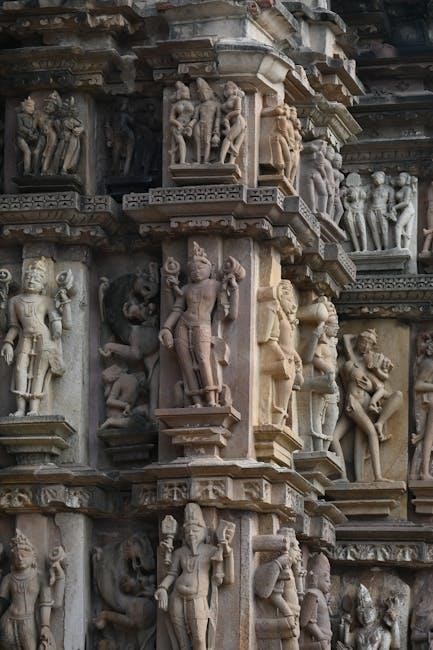
Vishnu Sahasranamam in Kannada
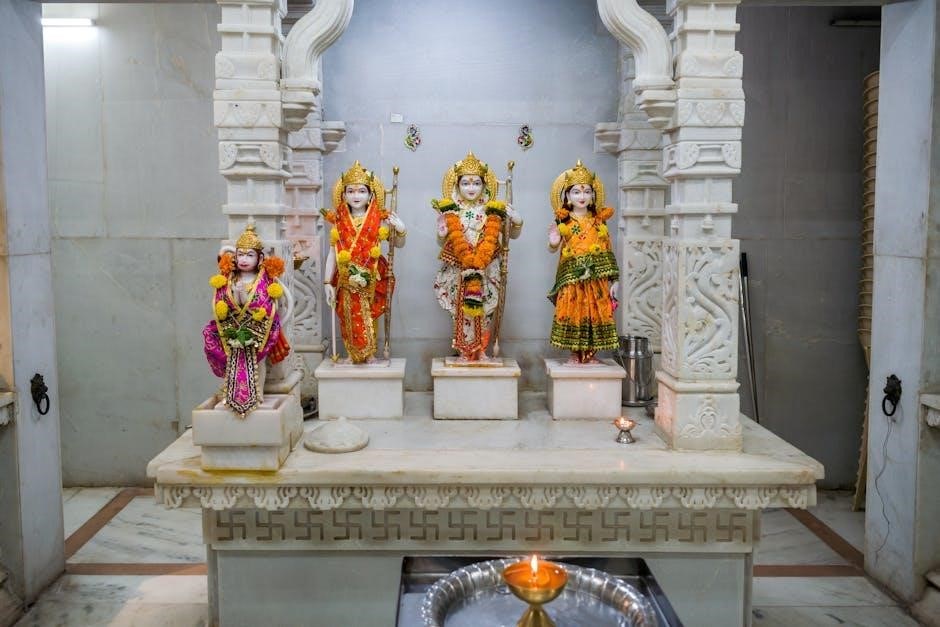
Kannada versions of the Vishnu Sahasranamam are accessible as PDFs, including the 1985 Mysore edition in Kannada script․ Tattva-Heritage-Foundation-Kolkata also provides digitized resources․
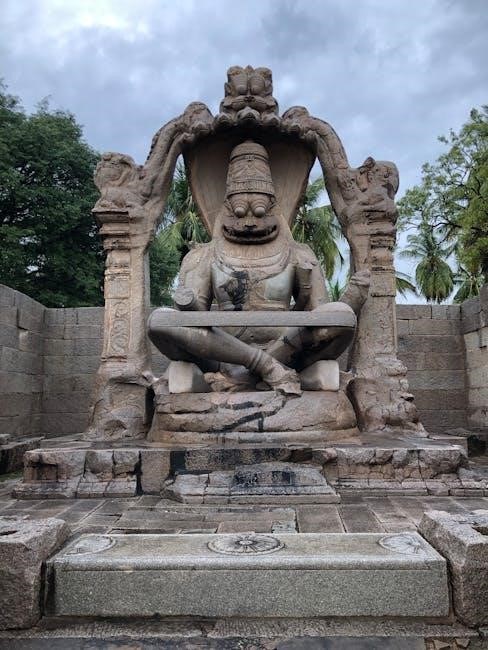
Availability of PDF Versions
Vishnu Sahasranamam in Kannada is readily available in PDF format, catering to a wide range of devotees seeking digital access to this sacred text․ Several online repositories and organizations offer these versions, ensuring the stotra’s accessibility to a broader audience․ Notably, the Sri Vishnu Sahasranama Stotra, transcribed in Sanskrit with Kannada script, published in Mysore in 1985, is a frequently sought-after PDF․
Furthermore, institutions dedicated to preserving and digitizing ancient texts, such as the Tattva-Heritage-Foundation-Kolkata, contribute significantly to the availability of these PDF versions․ These digitized manuscripts offer high-quality scans, preserving the original script and layout․ The Bhagavad Ramanuja National Research Institute in Melukote also houses rare books and manuscripts, potentially including digitized versions of the Vishnu Sahasranamam in Kannada․
Devotees can also find PDFs through dedicated groups like the Sri Vishu Sahasranama Parayan Mandali, which often share resources amongst their members․ These PDFs often include transliterations, translations, and explanatory notes, enhancing the understanding and recitation experience․ The convenience of PDF format allows for easy storage, printing, and sharing, making the Vishnu Sahasranamam accessible anytime, anywhere․
Specific Kannada Translations & Scripts
When exploring Vishnu Sahasranamam PDF versions in Kannada, variations in translation and script become apparent․ The 1985 Mysore edition of the Sri Vishnu Sahasranama Stotra presents the Sanskrit text alongside its transliteration in the Kannada script, offering a direct comparison for those familiar with both languages․ Different translators may employ slightly varying interpretations of the names, leading to nuanced differences in the Kannada rendering․
The script itself can also exhibit variations․ While most versions utilize the standard Kannada script, some older manuscripts might employ regional or stylistic differences in letterforms․ Furthermore, the inclusion of swaras (musical notes) alongside the names is common in some traditions, requiring a specific notation within the Kannada script․
Devotees should be aware that the “Prabhat Stotrasiddhi Parayan Granth” also contains this stotra (as noted: “ಗಮನಿಸಿ: ಈ ಸ್ತತ್ರವ ಪ್ರಭತ ಸ್ತತ್ರನಿಧಿ ಪರಯಣ ಗ್ರಥದಲ್ಲಿ ಇದೆ․”)․ Examining multiple PDFs allows for a comprehensive understanding, appreciating the richness and diversity of the Kannada interpretations of this sacred hymn․ Careful attention to the script and translation ensures accurate recitation and comprehension․
Sri Vishnu Sahasranama Stotra (Sanskrit Text-Kannada Script) ⎯ Mysore 1985
The Sri Vishnu Sahasranama Stotra, published in Mysore in 1985, represents a significant resource for devotees seeking a Kannada-script version of this revered hymn․ This edition uniquely presents the original Sanskrit text alongside its transliteration into the Kannada script, facilitating comparative study and aiding pronunciation for those less familiar with Sanskrit․ Digitized copies of this edition are frequently available as PDF downloads, making it accessible to a wider audience․
The layout typically features each Sanskrit name followed by its corresponding Kannada equivalent, often line by line․ This format is particularly helpful for learning the names and understanding their meanings within the context of Kannada linguistic and cultural traditions․ The quality of the PDF scans can vary, but generally, the text remains legible and faithful to the original publication․
This 1985 Mysore edition is often cited as a standard reference for Vishnu Sahasranamam recitation in Kannada, and its availability in PDF format ensures its continued relevance for generations of devotees․ It’s a cornerstone resource for those engaging with the stotra in the Kannada language․
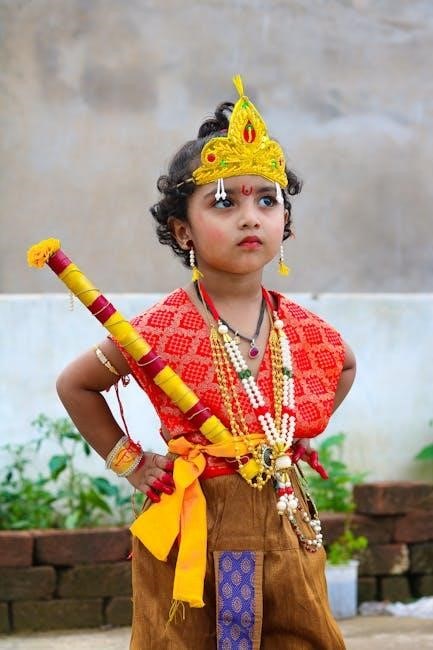
Key Aspects of Vishnu’s Depiction
Vishnu, often blue-skinned and resting on Shesha, symbolizes preservation and cosmic order․ Accessing depictions alongside the Kannada PDF versions enhances understanding of these visual representations during recitation․
Vishnu as the Preserver
Vishnu’s fundamental role as the preserver of the universe is central to understanding the Vishnu Sahasranamam․ He safeguards dharma – cosmic order and righteousness – intervening through incarnations (avatars) to restore balance when chaos threatens existence․ This protective aspect is beautifully reflected in the hymn’s 1000 names, each highlighting a facet of his preserving power․
Studying the Kannada PDF versions of the Vishnu Sahasranamam allows devotees to connect with this concept on a deeper level․ The translations and scripts, like the 1985 Mysore edition, offer nuanced interpretations of Vishnu’s preserving qualities within a cultural context․ Resources from organizations like Tattva-Heritage-Foundation-Kolkata further enrich this exploration, providing access to rare manuscripts and scholarly insights․
The Sri Vishu Sahasranama Parayan Mandali also plays a vital role in propagating the understanding of Vishnu’s preserving nature through recitation and study․ The hymn isn’t merely a list of names; it’s a powerful affirmation of Vishnu’s unwavering commitment to maintaining cosmic harmony, a theme readily accessible through these Kannada resources․
Ultimately, contemplating Vishnu as the preserver, aided by these accessible materials, fosters a sense of security and faith in the enduring order of the universe․
Iconography: Blue Skin and Shesha
Lord Vishnu’s iconic depiction – blue-skinned and reclining on the cosmic serpent Shesha – is rich in symbolism, profoundly reflected in the Vishnu Sahasranamam․ The blue hue represents the infinite and all-pervading nature of the divine, while Shesha embodies the primordial creative energy upon which the universe rests․ Exploring Kannada PDF versions of the hymn enhances understanding of these visual metaphors․
The 1985 Mysore edition, alongside digitized resources from Tattva-Heritage-Foundation-Kolkata, often include commentaries that delve into the significance of this iconography․ These materials illuminate how the image of Vishnu on Shesha symbolizes preservation and the cyclical nature of creation and dissolution․ The Sri Vishu Sahasranama Parayan Mandali also promotes contemplation of these visual elements during recitation․
Accessing the Vishnu Sahasranamam in Kannada script allows devotees to connect with the imagery on a culturally resonant level․ The hymn’s names often allude to these iconic features, reinforcing the understanding of Vishnu’s role as the sustainer of the cosmos․ These resources offer a holistic appreciation of Vishnu’s form and its deeper spiritual meaning․
Ultimately, the iconography serves as a powerful visual aid to comprehending the divine attributes celebrated within the Sahasranamam․
Vishnu’s Role in Maintaining Cosmic Order (Dharma)
Lord Vishnu is fundamentally the preserver of cosmic order, or Dharma, a central theme resonating throughout the Vishnu Sahasranamam․ His role involves intervening in the universe through incarnations (avatars) to restore balance when Dharma is threatened․ Studying the hymn in Kannada PDF format provides deeper insight into this crucial aspect of Vishnu’s divinity․
Resources like the 1985 Mysore edition and digitizations from Tattva-Heritage-Foundation-Kolkata often contain explanations connecting specific names within the Sahasranamam to Vishnu’s actions in upholding Dharma; The Sri Vishu Sahasranama Parayan Mandali emphasizes this concept during their recitations, highlighting Vishnu’s compassionate protection of righteousness․
The Kannada translations of the Sahasranamam allow devotees to grasp the nuances of how each name reflects Vishnu’s commitment to cosmic harmony․ The hymn’s verses frequently describe his power to vanquish evil and safeguard the virtuous․ Accessing these resources fosters a deeper understanding of Vishnu’s unwavering dedication to maintaining the moral and ethical fabric of the universe․
Ultimately, the Sahasranamam serves as a powerful affirmation of Vishnu’s role as the ultimate guardian of Dharma․
Practical Information & Resources
Kannada PDF versions of the Vishnu Sahasranamam are available from sources like Tattva-Heritage-Foundation-Kolkata and the 1985 Mysore edition․ The Sri Vishu Sahasranama Parayan Mandali also provides access․

Finding Reputable PDF Sources
Locating reliable PDF sources for the Vishnu Sahasranamam in Kannada requires careful consideration․ Several institutions and online platforms offer digitized versions of this sacred text, but verifying their authenticity is crucial․ The Tattva-Heritage-Foundation-Kolkata stands out as a reputable source, known for its meticulous digitization of rare manuscripts and religious texts, including potentially the Vishnu Sahasranamam․
Furthermore, the digitized Sri Vishnu Sahasranama Stotra (Sanskrit Text-Kannada Script) from Mysore, dated 1985, represents a valuable resource․ Searching online archives and digital libraries associated with institutions like the Bhagavad Ramanuja National Research Institute in Melukote may also yield authentic PDFs․
When downloading, prioritize sources affiliated with established religious organizations or academic institutions․ Be cautious of websites offering free downloads without clear provenance information․ The Sri Vishu Sahasranama Parayan Mandali might also direct you to trustworthy digital copies․ Always cross-reference information and compare different versions to ensure accuracy and completeness․ Remember to check for clear script and legible text within the PDF to facilitate proper recitation and understanding․
Sri Vishu Sahasranama Parayan Mandali
The Sri Vishu Sahasranama Parayan Mandali plays a significant role in the propagation and recitation of the Vishnu Sahasranamam․ While primarily focused on facilitating group recitations (Parayan), the Mandali often serves as a valuable resource for obtaining information about authentic texts, including Kannada versions․ They may possess or be able to direct devotees towards reliable PDF sources of the stotra․
Historically, the Mandali has been involved in the preservation and dissemination of traditional practices related to the Sahasranamam․ Their expertise lies in guiding individuals and groups through the correct procedures for Parayan, which often includes utilizing specific texts․
Contacting the Mandali directly, through their official channels, is recommended to inquire about available Kannada PDF versions․ They may also be aware of reputable publishers or digital archives offering accurate transcriptions․ Furthermore, they can provide guidance on selecting a version that aligns with specific traditions or lineages․ The Mandali’s dedication to the Sahasranamam makes them a key point of contact for those seeking authentic resources․
Tattva-Heritage-Foundation-Kolkata Digitizations
The Tattva-Heritage-Foundation-Kolkata has undertaken significant work in digitizing rare books and manuscripts, including those related to Hindu scriptures․ Their efforts are proving invaluable for accessing texts like the Vishnu Sahasranamam, potentially in various scripts, including Kannada․ Researchers and devotees can explore their digital collections for scanned copies or transcriptions of the stotra․
Specifically, the Foundation’s digitization project includes the Sri Vishnu Sahasranama Stotra (Sanskrit Text-Kannada Script) from Mysore, 1985․ This represents a crucial resource for those seeking a traditional Kannada rendering of the Sahasranamam․ Accessing these digitized versions often requires navigating their online catalog and utilizing search terms related to “Vishnu Sahasranamam” and “Kannada․”
The Foundation’s commitment to preserving cultural heritage ensures that these valuable texts are made accessible to a wider audience․ While the availability of specific PDF files may vary, their digitized manuscripts offer a pathway to studying and reciting the Sahasranamam in its Kannada script form․